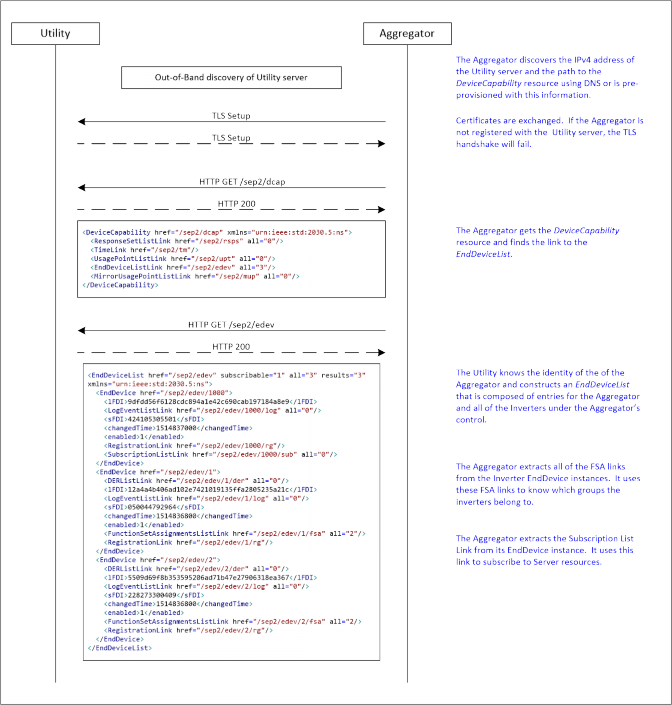
7.1 Discovery, DeviceCapability, EndDeviceList
Figure 25 – Example: Discovery, DeviceCapability, EndDeviceList
7.2 FunctionSetAssignments
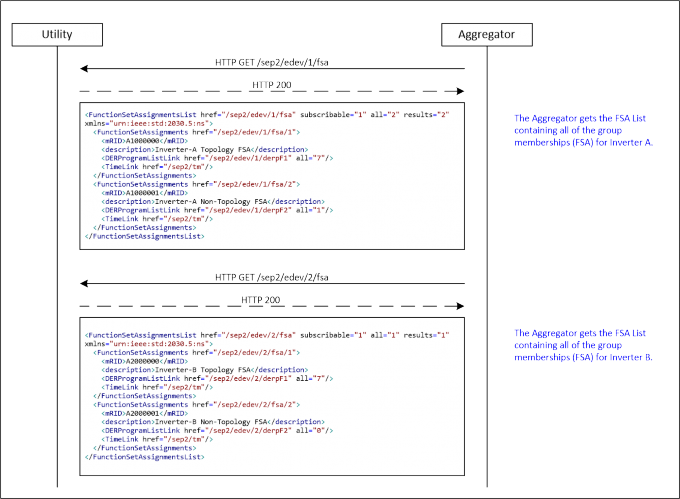
Figure 26 - Example: FunctionSetAssignments
7.3 DERProgramList, DERPrograms
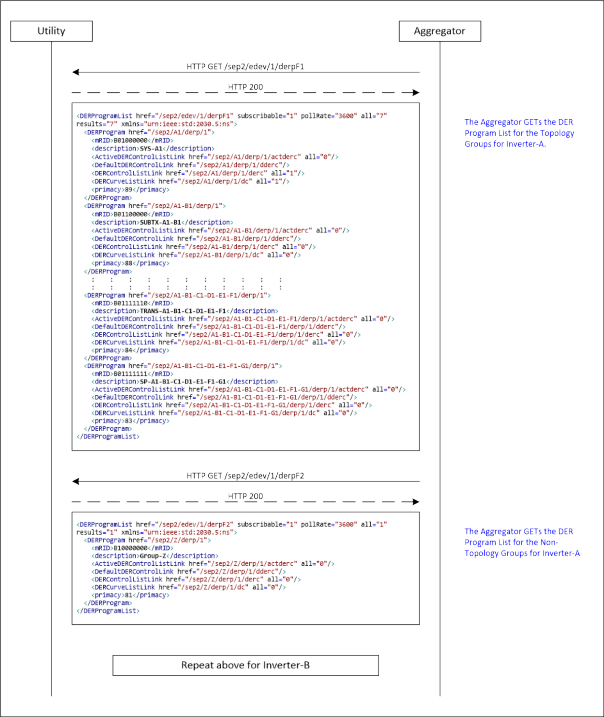
Figure 27 - Example: DERProgramList, DERPrograms
7.4 DERControlList, DERCurveList, DefaultDERControl
Utility
Aggregator
HTTP GET /sep2/A1/derp/1/derc
HTTP 200
<DERControlList href="/sep2/A1/derp/1/derc" subscribable="1" all="1" results="1" xmlns="urn:ieee:std:2030.5:ns">
<DERControl href="/sep2/A1/derp/1/derc/1" replyTo="/rsps/1/rsp" responseRequired="03">
<mRID>D0000001</mRID>
<description>Scheduled DERC</description>
<creationTime>1514838000</creationTime>
<EventStatus>
<currentStatus>0</currentStatus>
<dateTime>1514838000</dateTime>
<potentiallySuperseded>false</potentiallySuperseded>
</EventStatus>
<interval> <duration>3600</duration> <start>1514926800</start> </interval>
<DERControlBase> <opModMaxLimW>9500</opModMaxLimW> </DERControlBase>
</DERControl>
</DERControlList>
The Aggregator GETs the DER Control List for the first DER Program of Inverter-A.
HTTP GET /sep2/A1/derp/1/dc
HTTP 200
<DERCurveList href="/sep2/A1/derp/1/dc" all="1" results="1" xmlns="urn:ieee:std:2030.5:ns">
<DERCurve href="/sep2/dc/1">
<mRID>C0000001</mRID>
<description>Volt-Watt Curve 1</description>
<creationTime>1514836800</creationTime>
<CurveData> <xvalue>90</xvalue> <yvalue>100</yvalue> </CurveData>
<CurveData> <xvalue>106</xvalue> <yvalue>100</yvalue> </CurveData>
<CurveData> <xvalue>110</xvalue> <yvalue>0</yvalue> </CurveData>
<curveType>3</curveType>
<xMultiplier>0</xMultiplier> <yMultiplier>0</yMultiplier>
<yRefType>0</yRefType>
</DERCurve>
</DERCurveList>
The Aggregator GETs the DER Curve List for the first DER Program of Inverter-A.
HTTP GET /sep2/edev/1/derpF2
HTTP 200
<DefaultDERControl href="/sep2/A1/derp/1/dderc" xmlns="urn:ieee:std:2030.5:ns">
<mRID>E0000001</mRID>
<description>Default DERC</description>
<DERControlBase>
<opModMaxLimW>10000</opModMaxLimW>
</DERControlBase>
<setGradW>0</setGradW>
<setSoftGradW>0</setSoftGradW>
</DefaultDERControl>
The Aggregator GETs the Default DER Controls for the first DER Program of Inverter-A.
Repeat above for all DER Programs in List
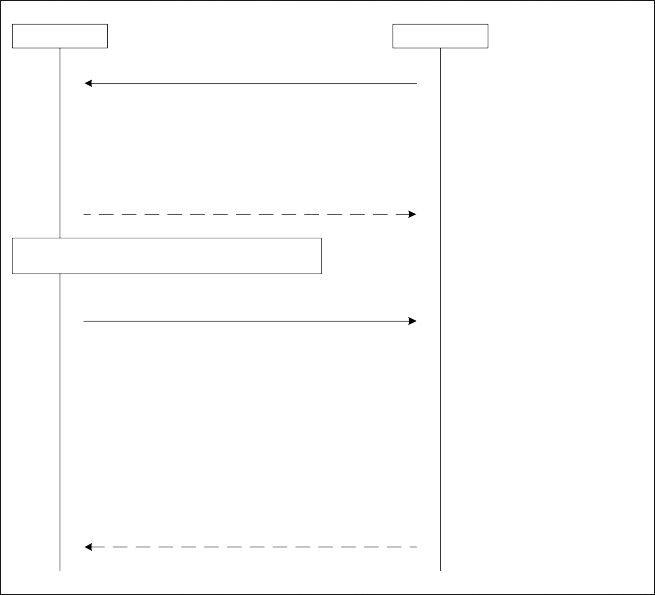
Figure 28 - Example: DERControlList, DERCurveList, DefaultDERControl
Utility
Utility
Utility
Aggregator
Aggregator
Aggregator
HTTP POST /sep2/edev/1000/sub
HTTP POST /sep2/edev/1000/sub
HTTP POST /sep2/edev/1000/sub
The Aggregator subscribes to its
End Device List.
The Aggregator subscribes to its
End Device List.
The Aggregator subscribes to its
End Device List.
HTTP 201, Location: /sep2/edev/1000/sub/1
HTTP 201, Location: /sep2/edev/1000/sub/1
HTTP 201, Location: /sep2/edev/1000/sub/1
Utility adds a new Inverter to the Aggregator’s End Device List
Utility adds a new Inverter to the Aggregator’s End Device List
Utility adds a new Inverter to the Aggregator’s End Device List
HTTP POST https://12.34.56.78:443/ntfy
HTTP POST https://12.34.56.78:443/ntfy
HTTP POST https://12.34.56.78:443/ntfy
The Aggregator receives a
notification on a change to the End Device List.
The Aggregator receives a
notification on a change to the End Device List.
The Aggregator receives a
notification on a change to the End Device List.
The End Device List is ordered
based on changedTime, so the most recently changed instance appears first.
The End Device List is ordered
based on changedTime, so the most recently changed instance appears first.
The End Device List is ordered
based on changedTime, so the most recently changed instance appears first.
HTTP 201
HTTP 201
HTTP 201
7.5 Subscription/Notification – EndDeviceList
<Subscription xmlns="urn:ieee:std:2030.5:ns">
<subscribedResource>/sep2/edev</subscribedResource>
<encoding>0</encoding>
<level>+S1</level>
<limit>1</limit>
<notificationURI>https://12.34.56.78:443/ntfy</notificationURI>
</Subscription>
<Notification xmlns="urn:ieee:std:2030.5:ns">
<subscribedResource>/sep2/edev</subscribedResource>
<status>0</status>
<subscriptionURI>https://98.76.54.32/sep2/edev/1000/sub/1</ subscriptionURI>
<EndDeviceList href="/sep2/edev" subscribable="1" all="4" results="1">
<EndDevice href="/sep2/edev/3">
<DERListLink href="/sep2/edev/3/der" all="0"/>
<lFDI>bdd7bb2babe673a3fc603d433125291971a88ac0</lFDI>
<LogEventListLink href="/sep2/edev/3/log" all="0"/>
<sFDI>509605116746</sFDI>
<changedTime>1514837100</changedTime>
<enabled>1</enabled>
<FunctionSetAssignmentsListLink href="/sep2/edev/3/fsa" all="2"/>
<RegistrationLink href="/sep2/edev/3/rg"/>
</EndDevice>
</EndDeviceList>
</Notification>
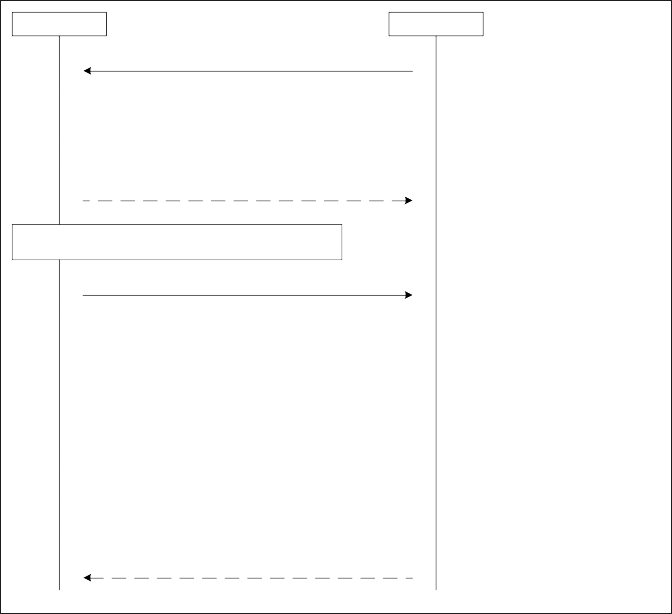
Figure 29 - Example: Subscription/Notification – EndDeviceList
Utility
Utility
Utility
Aggregator
Aggregator
Aggregator
HTTP POST /sep2/edev/3/subs
HTTP POST /sep2/edev/3/subs
HTTP POST /sep2/edev/3/subs
The Aggregator subscribes to the
System A1 DER Control List.
The Aggregator subscribes to the
System A1 DER Control List.
The Aggregator subscribes to the
System A1 DER Control List.
HTTP 201, Location: /sep2/edev/1000/sub/2
HTTP 201, Location: /sep2/edev/1000/sub/2
HTTP 201, Location: /sep2/edev/1000/sub/2
Utility creates a new DER Control for the A1 System Group
Utility creates a new DER Control for the A1 System Group
Utility creates a new DER Control for the A1 System Group
HTTP POST https://12.34.56.78:443/ntfy
HTTP POST https://12.34.56.78:443/ntfy
HTTP POST https://12.34.56.78:443/ntfy
The Aggregator receives a
notification on a change to the A1 System DER Control List.
The Aggregator receives a
notification on a change to the A1 System DER Control List.
The Aggregator receives a
notification on a change to the A1 System DER Control List.
HTTP 201
HTTP 201
HTTP 201
7.6 Subscription/Notification – DERControlList
<Subscription xmlns="urn:ieee:std:2030.5:ns">
<subscribedResource>/sep2/A1/derp/1/derc</subscribedResource>
<encoding>0</encoding>
<level>+S1</level>
<limit>1</limit>
<notificationURI>https://12.34.56.78:443/ntfy</notificationURI>
</Subscription>
<Notification xmlns="urn:ieee:std:2030.5:ns">
<subscribedResource>/sep2/A1/derp/1/derc</subscribedResource>
<status>0</status>
<subscriptionURI>https://98.76.54.32/sep2/edev/1000/sub/2</ subscriptionURI>
<DERControlList href="/sep2/A1/derp/1/derc" subscribable="1" all="1" results="1">
<DERControl href="/sep2/A1/derp/1/derc/1 " replyTo="/sep2/rsps/1/rsp" responseRequired="00">
<mRID>D0000001</mRID>
<description>Scheduled DERC</description>
<creationTime>1456340000</creationTime>
<EventStatus>
<currentStatus>1</currentStatus>
<dateTime>1456342000</dateTime>
<potentiallySuperseded>true</potentiallySuperseded>
<potentiallySupersededTime>1456340001</potentiallySupersededTime>
</EventStatus>
<interval>
<duration>3000</duration> <start>1456342000</start>
</interval>
<DERControlBase> <opModFixedW>8800</opModFixedW> </DERControlBase>
</DERControl>
</DERControlList>
</Notification>
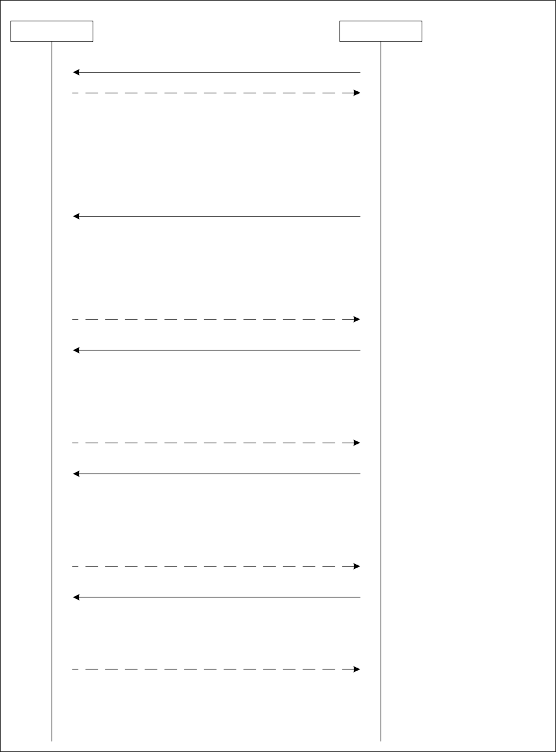
Figure 30 - Example: Subscription/Notification – DERControlList
Utility
Utility
Utility
Aggregator
Aggregator
Aggregator
HTTP GET /sep2/edev/1/der
HTTP 200
HTTP GET /sep2/edev/1/der
HTTP 200
HTTP GET /sep2/edev/1/der
HTTP 200
The Aggregator GETs the DER List
Link of Inverter-A.
The Aggregator GETs the DER List
Link of Inverter-A.
The Aggregator GETs the DER List
Link of Inverter-A.
HTTP PUT /sep2/edev/1/der/1/ders
HTTP PUT /sep2/edev/1/der/1/ders
HTTP PUT /sep2/edev/1/der/1/ders
The Aggregator sends the DER
Status of Inverter-A.
The Aggregator sends the DER
Status of Inverter-A.
The Aggregator sends the DER
Status of Inverter-A.
HTTP 204
HTTP 204
HTTP 204
HTTP PUT /sep2/edev/1/der/1/dercap
HTTP PUT /sep2/edev/1/der/1/dercap
HTTP PUT /sep2/edev/1/der/1/dercap
The Aggregator sends the DER
Capability of Inverter-A.
The Aggregator sends the DER
Capability of Inverter-A.
The Aggregator sends the DER
Capability of Inverter-A.
HTTP 204
HTTP 204
HTTP 204
HTTP PUT /sep2/edev/1/der/1/derg
HTTP PUT /sep2/edev/1/der/1/derg
HTTP PUT /sep2/edev/1/der/1/derg
The Aggregator sends the DER
Settings of Inverter-A.
The Aggregator sends the DER
Settings of Inverter-A.
The Aggregator sends the DER
Settings of Inverter-A.
HTTP 204
HTTP 204
HTTP 204
HTTP PUT /sep2/edev/1/der/1/dera
HTTP PUT /sep2/edev/1/der/1/dera
HTTP PUT /sep2/edev/1/der/1/dera
The Aggregator sends the DER
Availability of Inverter-A.
The Aggregator sends the DER
Availability of Inverter-A.
The Aggregator sends the DER
Availability of Inverter-A.
HTTP 204
HTTP 204
HTTP 204
7.7 Sending DER Status Information
<DERList href="/sep2/edev/1/der" all="1" results="1" xmlns="urn:ieee:std:2030.5:ns">
<DER href="/sep2/edev/1/der/1">
<DERAvailabilityLink href="/sep2/edev/1/der/1/dera"/>
<DERCapabilityLink href="/sep2/edev/1/der/1/dercap"/>
<DERSettingsLink href="/sep2/edev/1/der/1/derg"/>
<DERStatusLink href="/sep2/edev/1/der/1/ders"/>
</DER >
</DERList >
<DERStatus xmlns="urn:ieee:std:2030.5:ns">
<genConnectStatus>
<dateTime>1456345000</dateTime>
<value>0</dateTime>
</genConnectStatus>
<readingTime>1456345000</readingTime>
</DERStatus>
<DERCapability xmlns="urn:ieee:std:2030.5:ns">
<modesSupported>3FFFFF</modesSupported>
<rtgA> <multiplier>0</multiplier> <value>20</value> </rtgA>
<rtgW> <multiplier>0</multiplier> <value>5000</value> </rtgW>
<type>4</type>
</DERCapability>
<DERSettings xmlns="urn:ieee:std:2030.5:ns">
<setGradW>0</setGradW>
<setMaxA> <multiplier>0</multiplier> <value>20</value> </setMaxA>
<setMaxW> <multiplier>0</multiplier> <value>5000</value> </setMaxW>
<updatedTime>1483257600</updatedTime>
</DERSettings>
<DERAvailability xmlns="urn:ieee:std:2030.5:ns">
<readingTime>1514793600</readingTime>
</DERAvailability>
Repeat above for all other inverters
under Aggregator’s control.
Figure 31 - Example: Sending DER Status Information
Utility
Utility
Utility
Aggregator
Aggregator
Aggregator
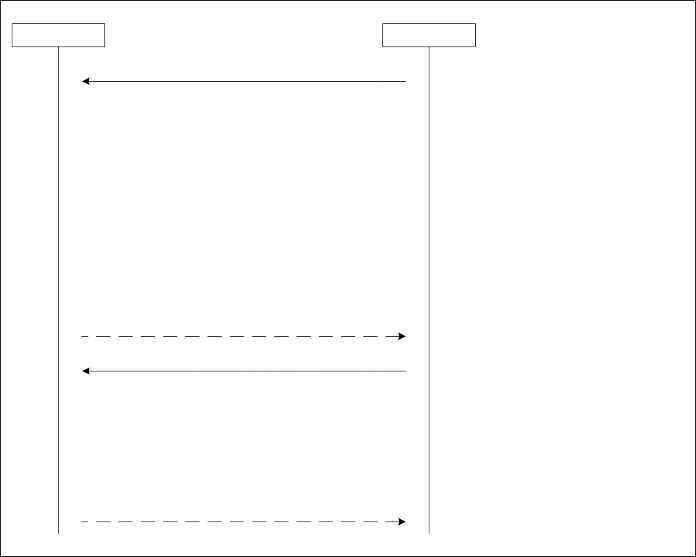
HTTP POST /sep2/mup
HTTP POST /sep2/mup
HTTP POST /sep2/mup
The Aggregator POSTs to the Mirror Usage
Point (MUP) link to create a MUP instance. The MUP link was found from the GET of the Utility Server’s Device Capabilites object.
In the MUP POST, a Mirror Meter Reading is required to be present. In this case, an MMR for a Real Power reading is included.
The Aggregator POSTs to the Mirror Usage
Point (MUP) link to create a MUP instance. The MUP link was found from the GET of the Utility Server’s Device Capabilites object.
In the MUP POST, a Mirror Meter Reading is required to be present. In this case, an MMR for a Real Power reading is included.
The Aggregator POSTs to the Mirror Usage
Point (MUP) link to create a MUP instance. The MUP link was found from the GET of the Utility Server’s Device Capabilites object.
In the MUP POST, a Mirror Meter Reading is required to be present. In this case, an MMR for a Real Power reading is included.
HTTP 201, Location /sep2/mup/1
HTTP 201, Location /sep2/mup/1
HTTP 201, Location /sep2/mup/1
HTTP POST /sep2/mup/1
HTTP POST /sep2/mup/1
HTTP POST /sep2/mup/1
The Aggregator periodically updates the MMR
with new readings. In this case, the Real Power MMR is updated with a value of 5000 (Watts).
The Aggregator periodically updates the MMR
with new readings. In this case, the Real Power MMR is updated with a value of 5000 (Watts).
The Aggregator periodically updates the MMR
with new readings. In this case, the Real Power MMR is updated with a value of 5000 (Watts).
HTTP 201 /sep2/upt/1/mr/1
HTTP 201 /sep2/upt/1/mr/1
HTTP 201 /sep2/upt/1/mr/1
<MirrorMeterReading xmlns="urn:ieee:std:2030.5:ns">
<mRID>5509D69F8B3535950001000000009182</mRID>
<description>Real Power(W)</description>
<Reading>
<value>5000</value>
<timePeriod>
<duration>0</duration>
<start>1456345000</start>
</timePeriod>
</Reading>
</MirrorMeterReading>
<MirrorUsagePoint xmlns="urn:ieee:std:2030.5:ns">
<mRID>5509D69F8B3535950000000000009182</mRID>
<description>DER [Inverter A]</description>
<roleFlags>41</roleFlags>
<serviceCategoryKind>0</serviceCategoryKind >
<status>1</status>
<deviceLFDI>12a4a4b406ad102e7421019135ffa2805235a21c</deviceLFDI>
<MirrorMeterReading>
<mRID>5509D69F8B3535950001000000009182</mRID>
<description>Real Power(W)</description>
<ReadingType>
<accumulationBehaviour>12</accumulationBehaviour>
<commodity>1</commodity>
<dataQualifier>0</dataQualifier>
<flowDirection>1</flowDirection>
<kind>37</kind>
<phase>0</phase>
<powerOfTenMultiplier>0</powerOfTenMultiplier>
<uom>38</uom>
</ReadingType>
</MirrorMeterReading>
</MirrorUsagePoint>
7.8 Sending Monitor Data
Figure 32 - Example: Sending Monitor Data
7.9 Sending Alarms
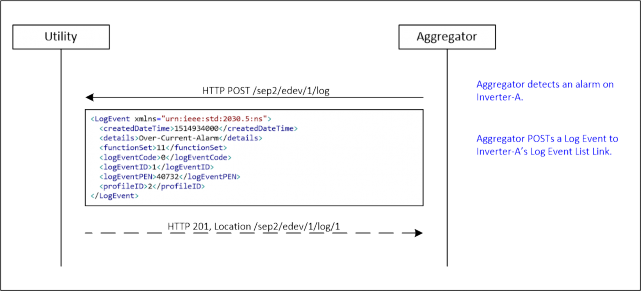
Figure 33 - Example: Sending Alarms
7.10 Event Prioritization
Aggregators acting for its DERs and DER Clients subscribe to or poll for new DERControl events from all the DERProgram groups they belong to. It is possible, and probably quite common, for a DER to receive overlapping events from different groups. How a DER handles these situations is determined by the Event Rules and Guidelines of section 12.1.3 of the IEEE 2030.5 specification. This document will highlight some of the important rules.
The priority of a DERControl is determined by the primacy setting of its containing DERProgram with a lower primacy value indicating higher priority. In the absence of any active events, the inverter executes the DefaultDERControl of the DERProgram with the highest priority (i.e. lowest primacy value).
When a DER receives overlapping DERControl events, the DERControl whose DERProgram has the higher priority (i.e. lower primacy value) takes precedence. The following examples describe two very similar overlapping event scenarios that only differ in when the DER receives the events. These examples assume the DER has discovered the DERPrograms and has subscribed to the DERControlLists. The process of discovering and subscribing to these resources was discussed earlier in this document.
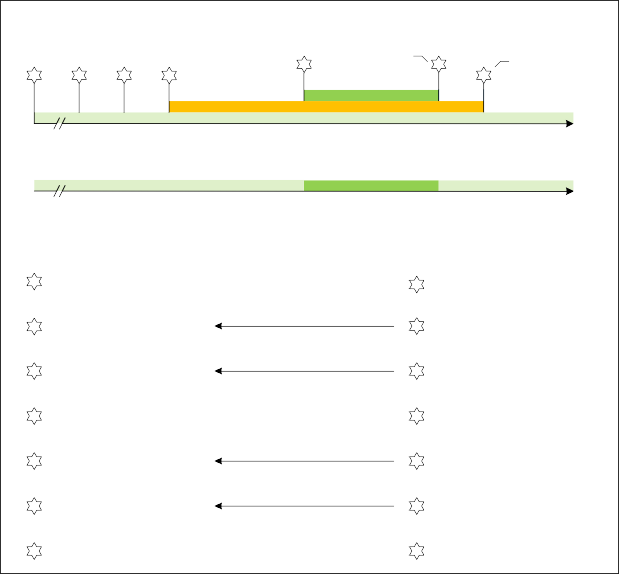
In the first case, the DER receives both DERControl events prior to the start of either. In this case, the DER does not execute the lower priority (superseded) event. It only executes the higher priority event as shown in the figure below.
Server Server
Create Schedule
Programs DERC B
Server Server
Create Schedule
Programs DERC B
Server Server
Create Schedule
Programs DERC B
Server
Schedule DERC A
Server
Schedule DERC A
Server
Schedule DERC A
Time Relationship of Scheduled Overlapping Events
DERC A
Time Relationship of Scheduled Overlapping Events
DERC A
Time Relationship of Scheduled Overlapping Events
DERC A
DERC B
Start Time
DERC B
Start Time
DERC B
Start Time
Start Time
Start Time
Start Time
4
4
4
DERC A
Scheduled End Time
DERC A
Scheduled End Time
DERC A
Scheduled End Time
5
5
5
0
0
0
1
1
1
2
2
2
DERC B
Scheduled End Time
DERC B
Scheduled End Time
DERC B
Scheduled End Time
3
3
3
6
6
6
DERC A
DERC B
Default DERC A for Program A (Primacy 0)
DERC A
DERC B
Default DERC A for Program A (Primacy 0)
DERC A
DERC B
Default DERC A for Program A (Primacy 0)
1
1
1
2
2
2
3
3
3
4
4
4
5
5
5
6
6
6
7
7
7
8
8
8
9
9
9
10
10
10
11
11
11
12
12
12
Client (Inverter) Behavior
Client (Inverter) Behavior
Client (Inverter) Behavior
Default DERC A
Default DERC A
Default DERC A
DERC A
DERC A
DERC A
Default DERC A
Default DERC A
Default DERC A
1
1
1
2
2
2
3
3
3
4
4
4
5
5
5
6
6
6
7
7
7
8
8
8
9
9
9
10
10
10
11
11
11
12
12
12
Server
Server
Server
Client
Client
Client
Response
Response
Response
0 Server Creates Program A, Primacy 0
Server Creates Program B, Primacy 1
0 Server Creates Program A, Primacy 0
Server Creates Program B, Primacy 1
0 Server Creates Program A, Primacy 0
Server Creates Program B, Primacy 1
0 Execute Default DERC A because it has a
lower primacy value.
0 Execute Default DERC A because it has a
lower primacy value.
0 Execute Default DERC A because it has a
lower primacy value.
1
1
1
Create DERC B: Start = 3, Duration = 7
DERC B Status = 0 (Schedule)
Create DERC B: Start = 3, Duration = 7
DERC B Status = 0 (Schedule)
Create DERC B: Start = 3, Duration = 7
DERC B Status = 0 (Schedule)
Type 0: DERC B Received
Type 0: DERC B Received
Type 0: DERC B Received
1 Receives DERC B Notification
Schedule DERC B
1 Receives DERC B Notification
Schedule DERC B
1 Receives DERC B Notification
Schedule DERC B
2
2
2
Create DERC A: Start = 6, Duration = 3
DERC A Status = 0 (Schedule)
Create DERC A: Start = 6, Duration = 3
DERC A Status = 0 (Schedule)
Create DERC A: Start = 6, Duration = 3
DERC A Status = 0 (Schedule)
Type 0: DERC A Received
Type 0: DERC A Received
Type 0: DERC A Received
2
2
2
Type 13: DERC B Superseded
by Alternate Program or Provider
Type 13: DERC B Superseded
by Alternate Program or Provider
Type 13: DERC B Superseded
by Alternate Program or Provider
Receives DERC A Notification
Schedule DERC A
Unschedule and Ignore DERC B
Receives DERC A Notification
Schedule DERC A
Unschedule and Ignore DERC B
Receives DERC A Notification
Schedule DERC A
Unschedule and Ignore DERC B
3 DERC B Status = 1 (Active)
3 DERC B Status = 1 (Active)
3 DERC B Status = 1 (Active)
3 No Action, Ignore DERC B
Continue with Default DERC A
3 No Action, Ignore DERC B
Continue with Default DERC A
3 No Action, Ignore DERC B
Continue with Default DERC A
Type 1: DERC A Started
Type 1: DERC A Started
Type 1: DERC A Started
4 DERC A Status = 1 (Active)
4 DERC A Status = 1 (Active)
4 DERC A Status = 1 (Active)
4 Stop Default DERC A
Start DERC A
4 Stop Default DERC A
Start DERC A
4 Stop Default DERC A
Start DERC A
5
5
5
DERC A Completed
Delete from DERC List
DERC A Completed
Delete from DERC List
DERC A Completed
Delete from DERC List
Type 2: DERC A Completed
Type 2: DERC A Completed
Type 2: DERC A Completed
5 Stop DERC A
Start Default DERC A
5 Stop DERC A
Start Default DERC A
5 Stop DERC A
Start Default DERC A
6
6
6
DERC B Completed
Delete from DERC List
DERC B Completed
Delete from DERC List
DERC B Completed
Delete from DERC List
6 No action, Continue with Default DERC A
6 No action, Continue with Default DERC A
6 No action, Continue with Default DERC A
Figure 34 - Example: Supersede before Start of DERControl Event
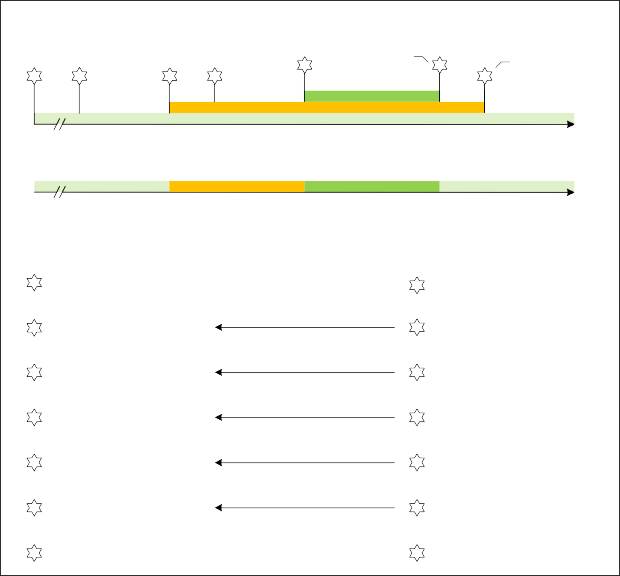
In the second case, the DER receives the higher priority event while executing lower priority event. In this case, the DER continues with the lower priority event until the start time of the higher priority event. It then superseded the lower priority event and switches to executing the higher priority event as shown in the figure below.
Time Relationship of Scheduled Overlapping Events
Time Relationship of Scheduled Overlapping Events
Time Relationship of Scheduled Overlapping Events
Server Server
Create Schedule
Programs DERC B
Server Server
Create Schedule
Programs DERC B
Server Server
Create Schedule
Programs DERC B
Server
DERC B Schedule
Start Time DERC A
Server
DERC B Schedule
Start Time DERC A
Server
DERC B Schedule
Start Time DERC A
DERC A
Start Time
4
DERC A
Start Time
4
DERC A
Start Time
4
DERC A
Scheduled End Time
DERC A
Scheduled End Time
DERC A
Scheduled End Time
5
5
5
0
0
0
1
1
1
DERC B
Scheduled End Time
DERC B
Scheduled End Time
DERC B
Scheduled End Time
2
2
2
3
3
3
6
6
6
DERC A
DERC B
Default DERC A for Program A (Primacy 0)
DERC A
DERC B
Default DERC A for Program A (Primacy 0)
DERC A
DERC B
Default DERC A for Program A (Primacy 0)
1
1
1
2
2
2
3
3
3
4
4
4
5
5
5
6
6
6
7
7
7
8
8
8
9
9
9
10
10
10
11
11
11
12
12
12
Client (Inverter) Behavior
Client (Inverter) Behavior
Client (Inverter) Behavior
Default DERC A
Default DERC A
Default DERC A
DERC B
DERC B
DERC B
DERC A
DERC A
DERC A
Default DERC A
Default DERC A
Default DERC A
1 2 3 4 5 6 7 8 9 10 11 12
1 2 3 4 5 6 7 8 9 10 11 12
1 2 3 4 5 6 7 8 9 10 11 12
Server
Server
Server
Client
Client
Client
Response
Response
Response
0 Server Creates Program A, Primacy 0
Server Creates Program B, Primacy 1
0 Server Creates Program A, Primacy 0
Server Creates Program B, Primacy 1
0 Server Creates Program A, Primacy 0
Server Creates Program B, Primacy 1
0 Execute Default DERC A because it has a
lower primacy value.
0 Execute Default DERC A because it has a
lower primacy value.
0 Execute Default DERC A because it has a
lower primacy value.
1
1
1
Create DERC B: Start = 3, Duration = 7
DERC B Status = 0 (Schedule)
Create DERC B: Start = 3, Duration = 7
DERC B Status = 0 (Schedule)
Create DERC B: Start = 3, Duration = 7
DERC B Status = 0 (Schedule)
Type 0: DERC B Received
Type 0: DERC B Received
Type 0: DERC B Received
1 Receives DERC B Notification
Schedule DERC B
1 Receives DERC B Notification
Schedule DERC B
1 Receives DERC B Notification
Schedule DERC B
Type 1: DERC B Started
Type 1: DERC B Started
Type 1: DERC B Started
2 DERC B Status = 1 (Active)
2 DERC B Status = 1 (Active)
2 DERC B Status = 1 (Active)
2 Stop Default DERC A
Start DERC B
2 Stop Default DERC A
Start DERC B
2 Stop Default DERC A
Start DERC B
Type 0: DERC A Received
Type 0: DERC A Received
Type 0: DERC A Received
3 Create DERC A: Start = 6, Duration = 3
DERC A Status = 0 (Schedule)
3 Create DERC A: Start = 6, Duration = 3
DERC A Status = 0 (Schedule)
3 Create DERC A: Start = 6, Duration = 3
DERC A Status = 0 (Schedule)
Receives DERC A Notification
3 Schedule DERC A Continue with DERC B
Receives DERC A Notification
3 Schedule DERC A Continue with DERC B
Receives DERC A Notification
3 Schedule DERC A Continue with DERC B
Type 13: DERC B Superseded
by Alternate Program or Provider
Type 13: DERC B Superseded
by Alternate Program or Provider
Type 13: DERC B Superseded
by Alternate Program or Provider
4 DERC A Status = 1 (Active)
4 DERC A Status = 1 (Active)
4 DERC A Status = 1 (Active)
4
4
4
Type 1: DERC A Started
Type 1: DERC A Started
Type 1: DERC A Started
Stop DERC B
Start DERC A
Stop DERC B
Start DERC A
Stop DERC B
Start DERC A
5
5
5
DERC A Completed
Delete from DERC List
DERC A Completed
Delete from DERC List
DERC A Completed
Delete from DERC List
Type 2: DERC A Completed
Type 2: DERC A Completed
Type 2: DERC A Completed
5 Stop DERC A
Start Default DERC A
5 Stop DERC A
Start Default DERC A
5 Stop DERC A
Start Default DERC A
6
6
6
DERC B Completed
Delete from DERC List
DERC B Completed
Delete from DERC List
DERC B Completed
Delete from DERC List
6 No action, Continue with Default DERC A
6 No action, Continue with Default DERC A
6 No action, Continue with Default DERC A
Figure 35 - Example: Supersede after Start of DERControl Event
Please note that in both scenarios the DER DOES NOT resume execution of the lower priority (superseded) event after completing the higher priority event.